
Nipple chafing is common in early breastfeeding—especially when you’re nursing 8+ times a day. This quick guide explains why latch and positioning matter, plus simple, soothing relief options like coconut oil and a warm, fragrance-free Epsom salt soak to support healing.
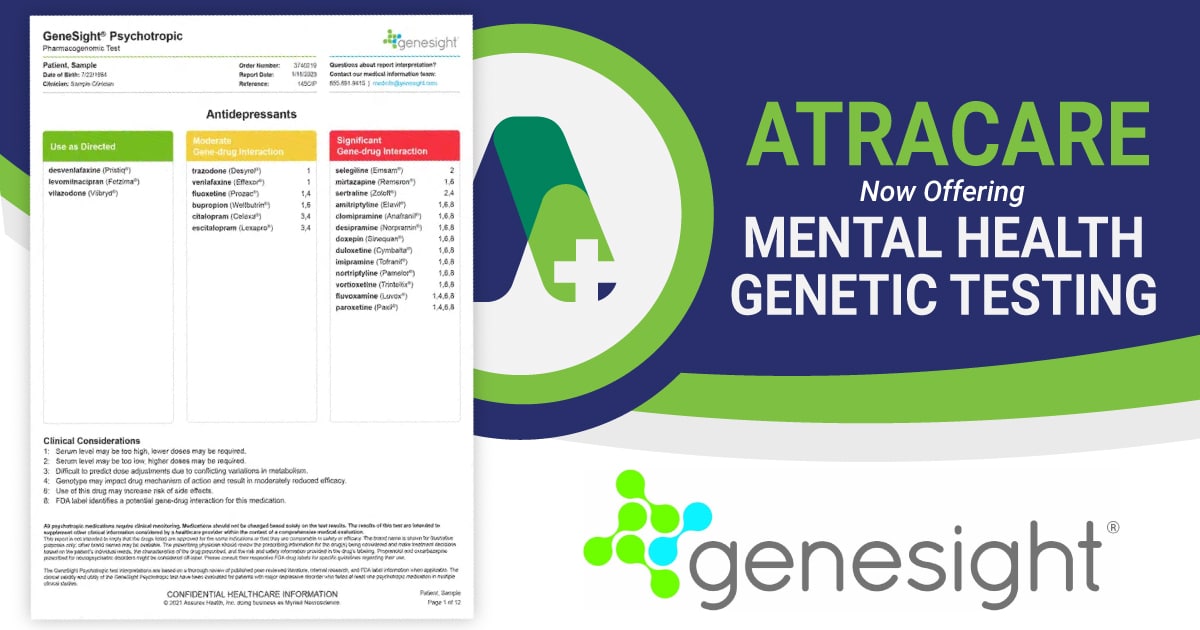
Atracare is proud to Announce the Utilization of GenSight DNA Testing as a part of the Psychiatric Evaluation
About GeneSight
How it works: The GeneSight DNA test is a genetic test that analyzes a patient’s DNA to help determine which medications may be most effective for treating their mental health conditions. The test analyzes how a patient’s genes may affect their body’s ability to metabolize and respond to specific medications commonly used to treat depression, anxiety, and other mental health conditions.
DNA Testing without a needle: The GeneSight test analyzes a patient’s DNA using a simple cheek swab and looks at variations in genes that affect how their body processes certain medications. The test results are then used to create a personalized medication plan for the patient, which helps doctors choose the most effective medications and dosages based on their genetic profile.
Who’s this right for:
- Patients who are currently on medications. The GeneSight test is especially useful for patients who have not responded well to traditional trial-and-error methods of finding the right medication or who have experienced unpleasant side effects from their current medication. It can also help reduce the risk of adverse drug reactions or potential drug interactions.
- New patients (adults as well as children) who may not have experience with psychiatric medications. The GeneSight test is a part of Atracare’s initial consultation for patients who may be considering medication as a part of their mental health plan to help with diagnoses such as depression, anxiety, ADHD, etc.
It’s important to note that the GeneSight test is not a diagnostic test and should not be used to diagnose any mental health conditions. Instead, it’s a tool that our doctors can use to gain insight and generate quantifiable data on a patient’s personal and unique situation. We’ll use this data as a part of any treatment plan that includes medications, or nutrients such as vitamins or supplements.
How Genetics May Impact Mental Health Medications
Genetics can play a significant role in determining an individual’s response to psychiatric medications. Some people may metabolize drugs more slowly or quickly due to genetic variations, which can affect the drug’s efficacy and potential side effects. Additionally, genetic factors can influence how an individual’s brain chemistry reacts to specific medications. Understanding a patient’s genetic profile can help doctors tailor their treatment plans to maximize the effectiveness of medication while minimizing adverse effects. Pharmacogenetic testing is a tool used to identify genetic variations that may impact drug metabolism and can inform medication selection and dosing.
How much does gene testing cost?
While the test itself is different for everyone, most of our patients find the testing to be around a hundred dollars. However, we can tell you exactly how much you would expect to pay, based on your insurance, over the phone: (302) 268-8692
Medicare and Medicaid patients receive this test at no cost (to the patient).
Schedule a consultation with our Mental Health team to learn more!
Learn more about GeneSight from their official website here >


0 New comments