
Postpartum Wellness Programs for New Mothers
Postpartum Mood and Anxiety Disorders, or more commonly referred to as Postpartum Depression, are the most common complication of childbirth.
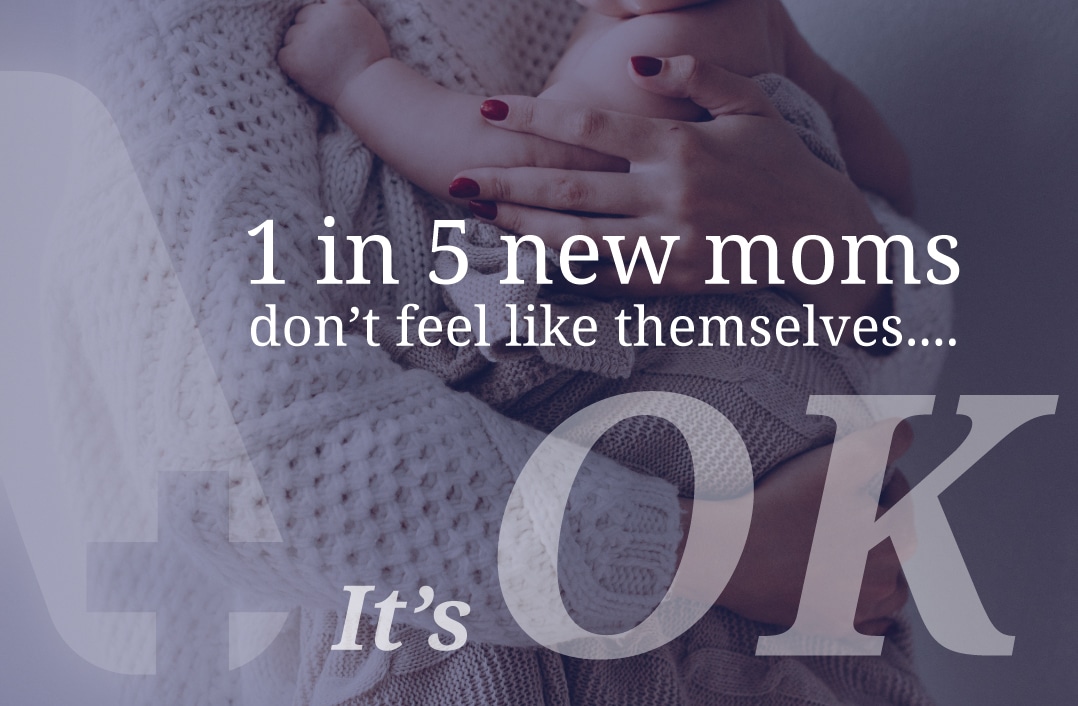
Postpartum depression affects women (and sometimes men!) of all ethnicities, ages, and socioeconomic statuses at a rate of 15-20% each year. That means 1 in 5-7 new moms don’t feel like themselves during a time they were told would be full of joy and satisfaction. And you know what? It is not their fault. The exact cause of postpartum depression (PPD) is not fully understood, but it seems to come from a combination of hormonal changes, sleep deprivation, life stressors, and health history. And today’s new moms have the added influence of social media, which often paints an impossibly rosy picture of a time in a woman’s life that is, in reality, unbelievably challenging.
Postpartum Depression and Anxiety Symptoms
With the expectation mothers have to balance all the balls they juggle without letting any hit the floor, there is a feeling of shame associated with needing or seeking help. Mental health has always had a stigma when actually it is just as important as physical health for overall well-being. PPD can look different on everyone and doesn’t only appear as feeling disconnected from the baby. A mother with postpartum mood changes may feel rage, excessive fatigue, loss of interest in activities, frequent sadness, irritability, and agitation, or worst of all: thoughts that her baby may be better off without her. But recognizing unusual thoughts or feelings early on can lead to finding help and feeling better.
Postpartum Depression Treatment
PPD is often successfully managed in the hands of the right care team. Effective treatment plans may include talking to someone, increasing physical activity, and/or taking medicine if appropriate, and can be tailored to each new mom’s lifestyle and preferences. Social support is also helpful for improving a mother’s wellbeing, so getting connected with a Moms or Parents group may be beneficial—putting social media to good use! There are a number of ways for new moms to feel like their “old selves,” and it is important to approach postpartum depression and mood changes as the common motherhood experience that they are.
new Textline.Widget(“+___1302-517-1385___”, {
background_color: “#011EFF”,
font_color: “#FFFFFF”,
bottom_offset: 100,
text: “Text Us”});


0 New comments